
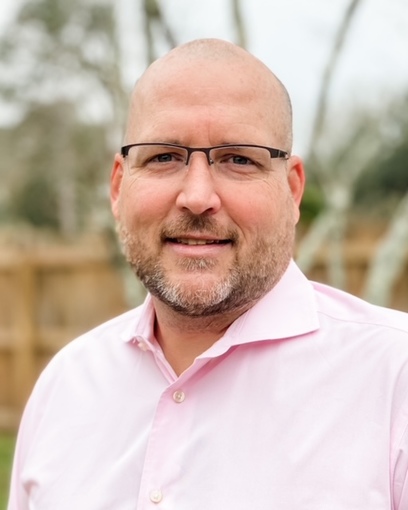
A 230-person operation, the limits of a single source, and why better pool operations begin with people who keep learning.
A large team needs a shared way of working
Dewey Case’s work stretches from the daily realities of a county aquatics program to the broader questions behind pool operating standards. In his Pool People conversation with Parker Conley, he describes two connected roles: helping lead aquatics for Williamson County Parks and Recreation and serving as technical director of the Council for the Model Aquatic Health Code.
“I do a lot of quality assurance work.”
At the time of the interview, the county’s aquatic staff numbered about 230. That includes splash-pad attendants, lifeguards, supervisors, facility managers, a pool technician, and leadership. The scale matters: a good procedure has to survive the handoff between people with different responsibilities, schedules, and experience.
Case describes his county role through quality assurance, training, audits, and staff development. For a manager, the useful question is not simply whether a procedure exists. It is whether the next person can understand it and carry it out consistently.
Commercial expertise is its own discipline
Case compares the jump from residential to commercial pools to the difference between a Kia and a Ferrari. Both are cars, but shared parts do not make the operating demands interchangeable. In the interview, that comparison leads into the value of commercial specialists and the depth of knowledge larger facilities require.
That is a useful way to think about staffing and outside help. Familiarity with a pool does not automatically cover every pump-room problem, control system, or building issue. Establish who handles routine work, who can investigate a problem, and when the team should bring in a specialist.
The practical lesson is to name the boundaries of a role before something goes wrong. Training becomes more useful when staff understand both what they can do and when to ask for help.
Stay curious, even after certification
One of the strongest moments in the conversation comes near the end, when Case encourages pool professionals to keep looking for better information. He discusses learning from research, understanding different treatment approaches, and resisting the temptation to let one familiar explanation settle every question.
“Don't trust just what I say. Don't trust just what the MAHC says. Go out, find other sources, right?”
His advice applies to experienced operators as much as new ones. Knowing why your facility uses a particular approach is different from assuming it is the right approach everywhere. Ask what a source actually establishes, compare it with other credible information, and keep learning from people who operate different facilities.
Make the next handoff easier
For the SwimmingPoolLog team, the connection to daily recordkeeping is straightforward: shared procedures work better when the next person can see what happened. A test value, the staff member who recorded it, and the follow-up action give a supervisor something concrete to review.
A log gives training and operating procedures a practical companion: a record the team can refer back to. Start with one handoff at your own facility and ask what information the incoming person needs to do their job well.
The full conversation
Watch Dewey Case on Pool People
Episode 10, hosted by Parker Conley. Full episode and transcript.
Less paperwork.
More poolside.
Give every pool a QR sign and every shift a clear record. Start with one pool and see how it fits your team.
Start your free trial →7 days free · No card needed · $15 per pool / month
Try the interactive demo